Hormonal Peptides And Optimization
Shop hormonal peptides in Australia. Buy CJC-1295, Ipamorelin, Tesamorelin and more — ≥99% HPLC verified, full CoA included, fast Australian dispatch.
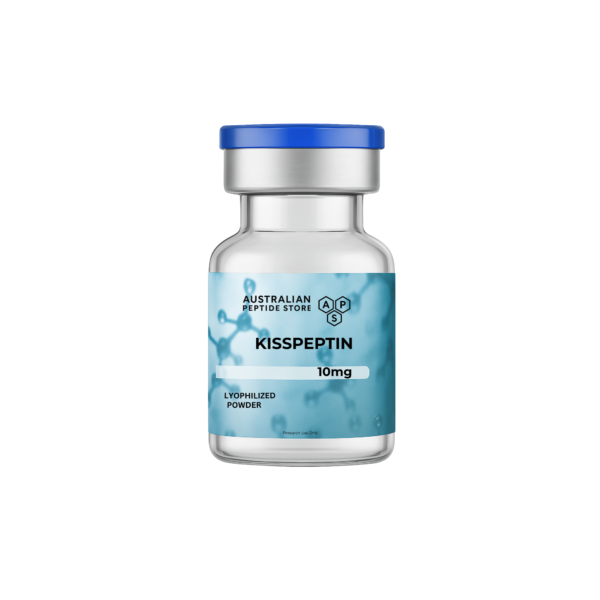
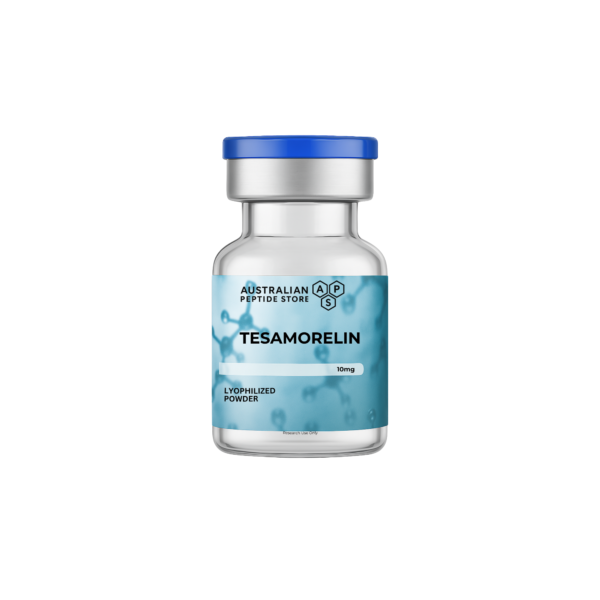
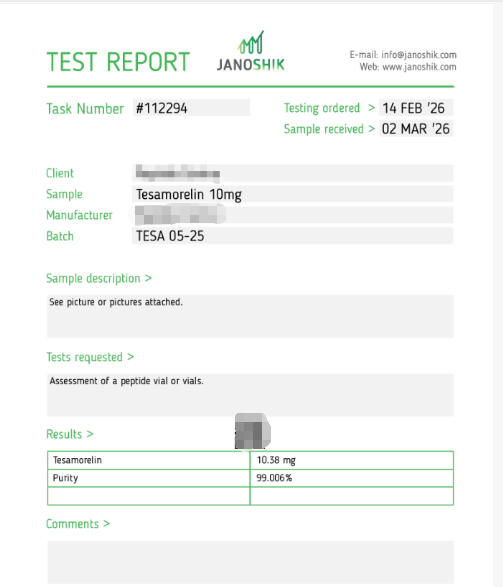
Hormonal Optimization Peptides Australia — Premium Endocrine Research Compounds | Peptide Australia
The endocrine system controls virtually every major biological function in the body. It governs growth, metabolism, stress response, reproductive biology, sleep architecture, and immune regulation. For researchers and medical professionals studying hormonal signalling and receptor activation, hormonal peptides offer one of the most mechanistically precise classes of research compounds available. At Peptide Australia, we supply the Australian scientific community with analytically verified endocrine research compounds. Every compound meets a minimum purity of ≥99%, passes independent HPLC and Mass Spectrometry verification, and ships from our Australian facility with full batch-specific Certificate of Analysis documentation.
What Are Hormonal Peptides?
A peptide hormone is a signalling molecule built from amino acid chains. It binds to specific cell surface receptors and triggers intracellular signalling cascades that govern a wide range of physiological processes. Peptide hormones differ fundamentally from steroid hormones. They are hydrophilic, and they act through membrane-bound receptors rather than intracellular nuclear receptors. This distinction carries significant implications for receptor pharmacology research and targeted endocrine study design.
The most researched hormonal peptides in laboratory settings operate across several major endocrine axes. The hypothalamic-pituitary-somatotropic axis is the most extensively documented. It governs growth hormone secretion and IGF-1 production. Researchers use growth hormone releasing hormone analogs and growth hormone secretagogues to investigate pituitary somatotroph function, GH pulsatility, and downstream anabolic signalling. Additionally, the hypothalamic-pituitary-adrenal axis, the thyroid axis, and the reproductive endocrine axis have all attracted significant peptide hormone research interest.
Our Hormonal Optimization Peptides Australia Range
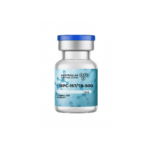
CJC-1295 — Growth Hormone Releasing Hormone Analog Research
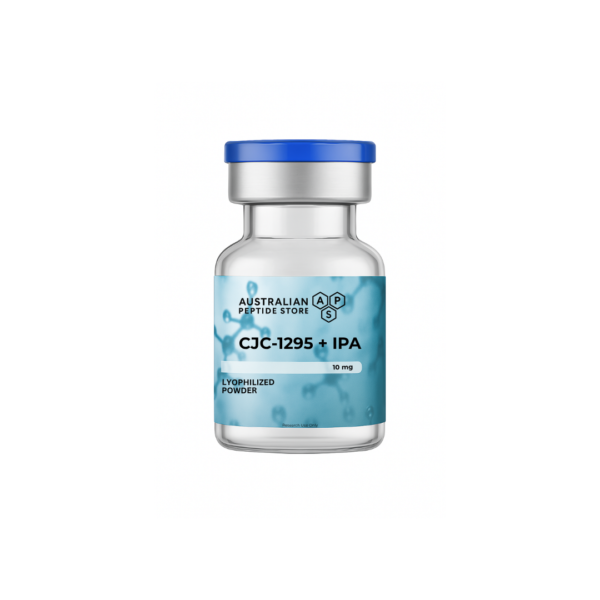
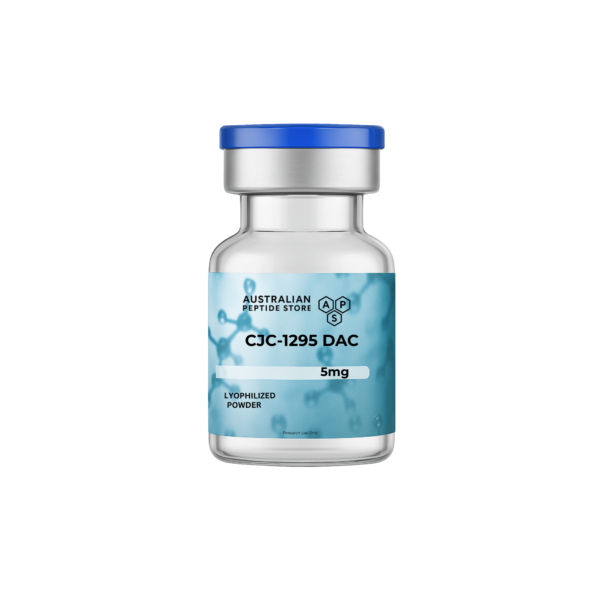
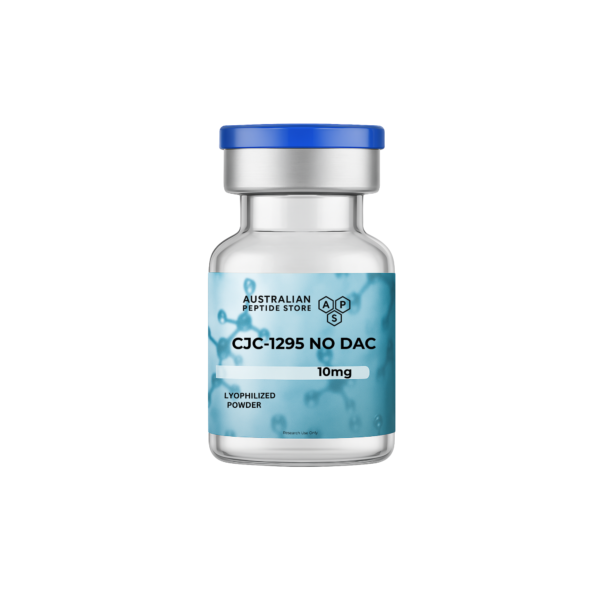
CJC-1295 is a synthetic analog of growth hormone releasing hormone (GHRH). It stimulates pituitary somatotroph cells to secrete growth hormone through GHRH receptor agonism. Researchers study it for its effects on GH pulsatility, IGF-1 axis dynamics, and the downstream metabolic consequences of growth hormone receptor activation.
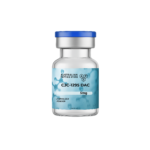
CJC-1295 is available in two research formulations. The first includes a Drug Affinity Complex (DAC) modification that extends half-life by enabling covalent binding to serum albumin. As a result, it produces a more sustained GHRH receptor stimulation profile. The second formulation — CJC-1295 without DAC — produces a shorter, more pulsatile GH release pattern. Consequently, researchers designing studies around GH pulsatility versus sustained GH elevation will find the comparative pharmacokinetics of these formulations a significant experimental variable.
Peptide Australia supplies both CJC-1295 formulations with ≥99% HPLC-verified purity and complete Mass Spectrometry identity confirmation.
Ipamorelin — Growth Hormone Secretagogue Research
Ipamorelin is a pentapeptide growth hormone secretagogue that selectively stimulates pituitary GH release through ghrelin receptor (GHSR-1a) agonism. Researchers value it specifically for its clean stimulatory profile. Unlike broader-spectrum secretagogues, Ipamorelin produces minimal effects on cortisol, prolactin, and ACTH secretion at doses that generate significant GH release. Therefore, it is particularly useful for investigators seeking to isolate somatotropic effects without confounding endocrine variables.
Furthermore, researchers comparing Ipamorelin with GHRH analogs such as CJC-1295 or other GHSR agonists such as Hexarelin gain a rich experimental framework for understanding differential GH secretion regulation across multiple receptor pathways.
Hexarelin — GHSR Agonist & Cardiovascular Endocrine Research
Hexarelin is a synthetic hexapeptide growth hormone secretagogue with potent GHSR-1a agonist activity. In addition to its GH-releasing properties, it interacts with the CD36 scavenger receptor — a receptor expressed in cardiac and vascular tissue. As a result, Hexarelin attracts interest from researchers investigating the intersection of the GH axis and cardiovascular endocrine function. Studies have examined its cardioprotective effects in laboratory models independently of its growth hormone-releasing activity.
For researchers studying extra-pituitary GHSR agonism effects, Hexarelin therefore provides a research compound with a mechanistic profile that extends well beyond conventional growth hormone axis research.
Tesamorelin — Full-Length GHRH Analog Research
Tesamorelin is a full-length synthetic analog of growth hormone releasing hormone. It comprises the complete 44 amino acid sequence of human GHRH with a trans-3-hexenoic acid modification that enhances stability. Because it engages the GHRH receptor comprehensively, researchers study it for its effects on pituitary GH secretion, IGF-1 axis activation, and visceral adipose tissue metabolism.
Moreover, its comparative pharmacodynamics relative to truncated GHRH analogs make it a valuable compound for researchers investigating how full-length versus truncated GHRH receptor engagement affects downstream endocrine and metabolic outcomes.
Epithalon — Pineal Endocrine Research
Epithalon is primarily featured in our anti aging peptides category. However, it is also highly relevant to hormonal peptide researchers for its studied interactions with the pineal gland — an endocrine organ responsible for melatonin synthesis and circadian rhythm regulation. Research has examined its ability to restore melatonin secretion in aged laboratory models and normalise the age-related dysregulation of neuroendocrine signalling that characterises endocrine ageing.
Thymagen — Thymic Endocrine Research
Thymagen is a synthetic dipeptide bioregulator studied for its role in thymic endocrine function. The thymus acts as both a lymphoid organ and an endocrine gland. It secretes thymic hormones — including thymulin, thymosin, and thymopoietin — that regulate T-cell differentiation and adaptive immune function. Consequently, Thymagen is relevant to researchers investigating the endocrine-immune interface and the role of thymic hormonal signalling in immune competence across the lifespan.
Peptide Hormone Research — Key Endocrine Axes
Hypothalamic-Pituitary-Somatotropic Axis: GHRH analogs such as CJC-1295 and Tesamorelin work alongside GHSR agonists such as Ipamorelin and Hexarelin. Together, they provide complementary tools for investigating pituitary GH secretion from both hypothalamic and ghrelin receptor perspectives.
Pineal Endocrine & Circadian Axis: Epithalon targets pineal melatonin synthesis and circadian rhythm regulation. Therefore, it is the primary compound for researchers studying neuroendocrine sleep-wake cycle regulation and age-related circadian disruption.
Thymic Endocrine & Immune Axis: Thymagen targets the thymic hormonal system directly. As a result, it suits researchers investigating the immune-endocrine interface and thymic bioregulator activity.
Cardiovascular Endocrine Interactions: Hexarelin acts at the CD36 receptor in cardiac and vascular tissue. Consequently, it is relevant for researchers studying the cardiovascular dimensions of growth hormone secretagogue receptor pharmacology.
Why Buy Hormonal Peptides in Australia Through Peptide Australia?
Endocrine research demands exceptional compound purity. The hormonal signalling systems under investigation — hypothalamic-pituitary feedback loops, growth hormone receptor cascades, neuroendocrine axis regulation — are highly sensitive to chemical impurities. Even minor contamination can produce off-target receptor interactions, confound dose-response relationships, and generate misleading data.
At Peptide Australia, we hold every hormonal peptide to the following standards:
≥99% HPLC Purity Verified: Independent accredited laboratories test every batch to confirm a minimum purity of ≥99%. Chromatogram data is available for researcher review on request.
Mass Spectrometry Identity Confirmed: MS verification confirms molecular weight and amino acid sequence for every batch — providing absolute compound identity assurance.
Batch-Specific Certificate of Analysis: Every order ships with a CoA that corresponds to the exact production batch. Batch numbers on vials match CoA documentation directly.
Australian Stock & Dispatch: All hormonal research peptides ship from within Australia — ensuring faster delivery, cold-chain integrity, and no customs delays.
Technical Research Support: Our team provides solubility data, reconstitution protocols, and compound-specific guidance for all hormonal peptides in our catalogue.
Storage & Handling — Hormonal Optimization Peptides
Long-Term Storage: Store lyophilised hormonal peptides at -20°C in a sealed, moisture-free environment. Avoid repeated freeze-thaw cycles, as these degrade peptide integrity over time.
Short-Term Storage: For compounds in active use within one to three months, refrigeration at 2–8°C is sufficient.
Reconstitution: Add bacteriostatic water slowly to the lyophilised powder and rotate gently. Do not vortex or agitate vigorously.
Post-Reconstitution: Keep reconstituted peptides at 2–8°C, away from direct light. Use within 14 to 21 days.
Frequently Asked Questions — Hormonal Peptides Australia
What is a peptide hormone and how does it differ from a steroid hormone? A peptide hormone is an amino acid-based signalling molecule that acts through membrane-bound cell surface receptors. In contrast, steroid hormones are lipid-soluble and act through intracellular nuclear receptors to directly regulate gene transcription. This fundamental difference shapes receptor pharmacology research and experimental design significantly.
What are the most studied hormonal peptides for growth hormone axis research? CJC-1295 and Tesamorelin are the most documented GHRH analogs for growth hormone releasing hormone receptor research. Additionally, Ipamorelin and Hexarelin are the most well-studied GHSR agonists for growth hormone secretagogue research. The comparative pharmacology between these two receptor pathway classes is itself a significant research area.
Do you ship hormonal peptides across Australia? Yes. We ship all hormonal research peptides to research facilities, universities, and medical institutions across Australia. Furthermore, all orders dispatch from within Australia with full tracking provided.
What documentation comes with my order? Every order includes a batch-specific Certificate of Analysis documenting compound name, batch number, HPLC purity result, and Mass Spectrometry identity confirmation.
Can I order hormonal peptides in bulk for institutional research? Yes. We offer tiered pricing for large-volume orders and custom sourcing for institutional research programmes. Contact our team directly to discuss your requirements.
Shop Hormonal Optimization Peptides Australia
Peptide Australia is Australia's trusted source for premium, analytically verified hormonal research peptides. Every compound synthesises to ≥99% purity, passes independent testing, and ships from within Australia with complete documentation — giving your endocrine research the molecular precision it demands.
Peptide Australia — Premium Hormonal Peptides. Verified Purity. Australian Supply.