Peptides For Skin
Shop peptides for skin in Australia. Buy GHK-Cu, Melanotan-2 and more for dermal research — ≥99% HPLC verified, full CoA included, fast Australian dispatch.
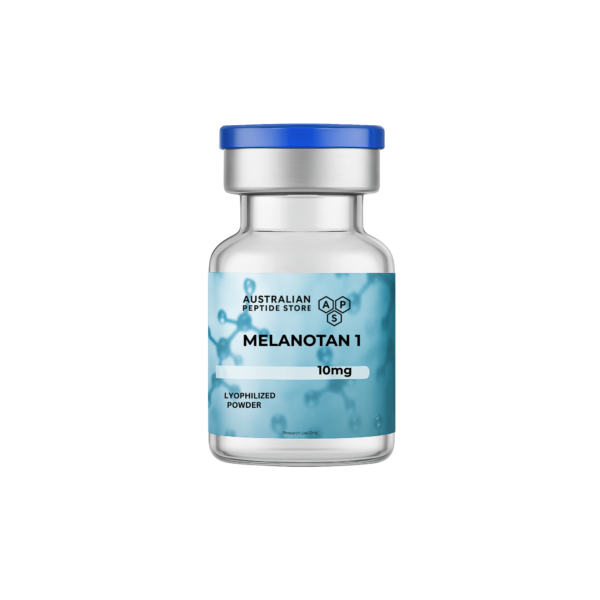
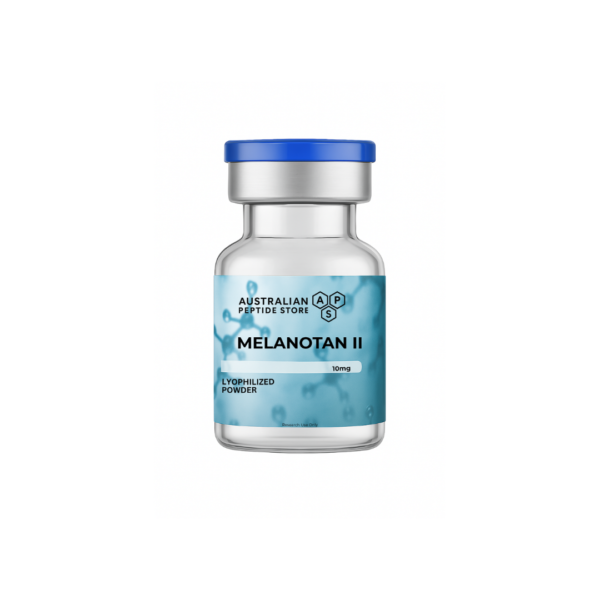
Peptides for Skin Australia — Premium Dermal Research Compounds | Peptide Australia
Dermal biology and skin research represent one of the most scientifically active and commercially significant areas of current peptide investigation. For researchers and medical professionals studying the mechanisms behind collagen synthesis, extracellular matrix remodelling, skin tightening, wound healing signalling, and dermal structural integrity, peptides for skin provide a class of research tools with extraordinary target specificity and one of the most extensive bodies of supporting scientific literature in the peptide research field. At Peptide Australia, our peptides for skin category brings together the most analytically verified dermal research compounds available to the Australian scientific community — each synthesised to a minimum purity of ≥99%, independently verified via HPLC and Mass Spectrometry, and dispatched from our Australian facility with full batch-specific Certificate of Analysis documentation.
Whether you are sourcing peptides for skin tightening research, collagen synthesis investigation, wound healing pathway modelling, or broad peptide skin care biology studies, every compound in this category meets the rigorous analytical standards your dermal research demands.
What Do Peptides Do for the Skin?
Understanding what peptides do for the skin at a molecular level is the foundation of dermal peptide research. In a research context, skin peptides are studied for their ability to interact with fibroblasts, keratinocytes, melanocytes, and the extracellular matrix — the four primary biological systems that govern dermal structure, integrity, and regenerative capacity.
What do peptides do for skin research specifically? The answer depends on the compound and its target mechanism, but the core areas of investigation include the following:
Collagen Synthesis Stimulation: Certain peptides are studied for their ability to signal fibroblasts to increase collagen production — the primary structural protein responsible for dermal firmness, elasticity, and tensile strength. As collagen synthesis declines with age, peptides that modulate this pathway are of significant research interest for understanding the molecular biology of skin ageing.
Extracellular Matrix Remodelling: Peptides for skin research investigate how bioactive compounds regulate the activity of matrix metalloproteinases — the enzymes responsible for breaking down and remodelling the extracellular matrix. The balance between matrix synthesis and degradation governs skin structure at a fundamental level.
Skin Tightening Pathways: Peptides for skin tightening research investigate the signalling mechanisms that regulate dermal thickness, fibroblast contractility, and the structural proteins — collagen, elastin, and fibronectin — that determine skin firmness and resistance to mechanical deformation.
Wound Healing & Tissue Repair Signalling: Peptides in skin care research investigate the growth factor receptor interactions, cytokine signalling networks, and cell migration pathways that govern how damaged skin tissue is repaired and restored.
Pigmentation & Melanocortin Pathways: Select skin research peptides investigate melanocortin receptor signalling and its role in regulating melanogenesis — the biological process governing skin pigmentation.
At Peptide Australia, our peptides for skin range covers each of these mechanistic domains, providing Australian dermal researchers with the most comprehensive and analytically verified selection of skin research compounds available locally.
Our Peptides for Skin Australia Range
GHK-Cu — The Most Extensively Documented Peptide for Skin Research
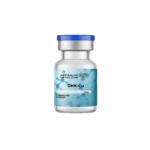
GHK-Cu — glycyl-L-histidyl-L-lysine copper complex — is the single most extensively documented peptide for skin research in the scientific literature, and the cornerstone compound of Peptide Australia's dermal research range. Naturally present in human plasma, saliva, and urine, GHK-Cu levels decline significantly with age — a decline that correlates with deterioration in skin thickness, elasticity, and regenerative capacity.
Research into what GHK-Cu does for skin covers an extraordinary breadth of biological activity. Studies have investigated its role in stimulating collagen and glycosaminoglycan synthesis in dermal fibroblasts, its modulation of matrix metalloproteinase activity, its promotion of angiogenesis and wound healing signalling, and its influence on the expression of over 4,000 human genes — including those involved in anti-inflammatory pathways, antioxidant defence systems, and the regulation of tissue remodelling enzymes.
For researchers investigating the best peptides for skin tightening, GHK-Cu is the most well-characterised compound targeting the fibroblast stimulation and collagen synthesis pathways that directly govern dermal structural integrity and firmness. Its dual role as both a collagen synthesis promoter and a matrix metalloproteinase modulator makes it uniquely positioned for research into the competing pathways of skin matrix production and degradation.
Peptide Australia supplies GHK-Cu to Australian dermal researchers in lyophilised, vacuum-sealed vials verified to ≥99% HPLC purity with full Mass Spectrometry identity confirmation and batch-specific CoA documentation.
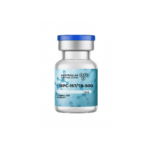
BPC-157 & GHK-Cu Combination — Synergistic Dermal Repair Research
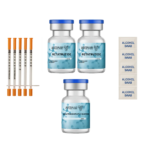
For researchers investigating the potential synergistic effects of combining dermal repair compounds, Peptide Australia supplies a BPC-157 and GHK-Cu combination vial. BPC-157's studied interactions with growth hormone receptors, VEGF-mediated angiogenesis, and the FAK-paxillin cell survival pathway complement GHK-Cu's collagen synthesis and matrix remodelling activity — providing a multi-pathway research protocol for studies investigating complex dermal repair and regeneration mechanisms.
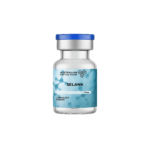
Melanotan-2 — Melanocortin Receptor Research
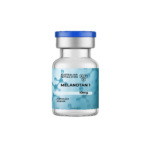
Melanotan-2 is a synthetic analog of alpha-melanocyte-stimulating hormone studied for its interactions with melanocortin receptors — particularly MC1R, the primary receptor governing melanogenesis and skin pigmentation. For researchers investigating the molecular biology of skin pigmentation, UV protection pathways, and melanocortin receptor signalling, Melanotan-2 provides a high-specificity research tool with a well-characterised receptor binding profile.
Research into Melanotan-2 has examined its effects on melanin synthesis, melanocyte stimulation, and the downstream signalling cascades activated by MC1R agonism — making it a relevant compound for dermatological researchers investigating the cellular and molecular basis of skin pigmentation regulation.
Peptide Australia supplies Melanotan-2 to Australian dermal researchers with ≥99% HPLC-verified purity and complete Mass Spectrometry identity confirmation.
PT-141 — Central Melanocortin Pathway Research
PT-141 — also known as Bremelanotide — is a cyclic heptapeptide analog of Melanotan-2 that acts on central melanocortin receptors, particularly MC3R and MC4R. While its primary research interest lies in central nervous system melanocortin pathway modelling, PT-141 is relevant to skin researchers investigating the relationship between peripheral and central melanocortin receptor signalling networks and their respective roles in pigmentation and dermal biology.
What Peptides Do for Skin — Key Research Mechanisms
For researchers new to the dermal peptide field or looking to understand the mechanistic landscape before selecting compounds, the following overview covers the primary biological mechanisms through which the best peptides for skin operate in research models:
Fibroblast Stimulation: Fibroblasts are the primary collagen-producing cells in the dermis. Peptides such as GHK-Cu are studied for their ability to stimulate fibroblast proliferation and upregulate collagen gene expression — directly addressing the decline in dermal collagen that characterises skin ageing.
Matrix Metalloproteinase Regulation: MMPs are enzymes that degrade extracellular matrix components including collagen, elastin, and fibronectin. Research into peptide skin care compounds investigates how bioactive peptides modulate MMP activity to shift the balance between matrix synthesis and degradation in favour of structural integrity.
Angiogenesis & Vascular Remodelling: Adequate dermal vascularisation is essential for tissue repair and nutrient delivery to skin cells. Peptides studied for their pro-angiogenic properties — including through VEGF pathway modulation — are relevant to researchers investigating skin repair capacity and wound healing biology.
Growth Factor Receptor Signalling: Several skin research peptides are investigated for their interactions with TGF-β, EGF, and FGF receptor pathways — growth factor systems with well-established roles in keratinocyte proliferation, fibroblast activity, and dermal repair.
Anti-Inflammatory Pathway Modulation: Chronic low-grade inflammation is a recognised driver of skin ageing and impaired repair capacity. Peptides with studied anti-inflammatory properties in dermal tissue models are of significant interest to researchers investigating the inflammatory basis of skin deterioration.
Best Peptides for Skin Research — Selecting the Right Compound
Selecting the best peptide for skin research depends on the specific dermal mechanism, tissue type, and experimental model your study is designed to address. At Peptide Australia, we recommend the following framework for compound selection within our peptides for skin Australia range:
Collagen Synthesis & Skin Tightening Research: GHK-Cu is the most extensively documented peptide for skin tightening and collagen synthesis pathway research, with a literature base covering fibroblast stimulation, matrix remodelling, and the multi-gene expression effects that underpin dermal structural integrity.
Wound Healing & Dermal Repair: The BPC-157 and GHK-Cu combination provides the most comprehensive multi-pathway coverage for researchers investigating complex wound healing and dermal repair mechanisms involving both growth factor receptor interactions and collagen synthesis stimulation.
Pigmentation & Melanocortin Research: Melanotan-2 is the most appropriate compound for researchers focused on melanocortin receptor signalling, melanogenesis, and the molecular biology of skin pigmentation.
Peptide Skin Care Biology: For researchers investigating the broader biology of peptides in skin care — including the interaction between multiple dermal pathways — our technical team can assist in developing compound selection strategies tailored to your specific research protocol.
If you require guidance on compound selection, solubility data, or reconstitution protocols for any compound in our peptides for skin Australia range, our technical support team is available to assist directly.
Why Buy Peptides for Skin Research in Australia Through Peptide Australia?
Dermal research places precise demands on compound purity. The biological systems investigated in skin peptide research — fibroblast receptor interactions, MMP enzyme activity, growth factor signalling cascades — are highly sensitive to chemical impurities that can produce off-target effects, confound dose-response relationships, and generate irreproducible data. For Australian dermal researchers, working with a supplier that cannot substantiate its purity claims introduces analytical risks that cannot be corrected at the experimental design stage.
Peptide Australia was established to provide Australian skin researchers with a supply partner that holds itself to the highest analytical standards in the local market. Every peptide for skin we supply is subject to the following:
≥99% HPLC Purity Verified: Every batch is independently tested by accredited third-party laboratories to confirm a minimum purity of ≥99%. Chromatogram data is available for researcher review on request.
Mass Spectrometry Identity Confirmed: Molecular weight and amino acid sequence are confirmed via MS for every batch — eliminating the risk of mislabelled or incorrectly synthesised compounds reaching your dermal research laboratory.
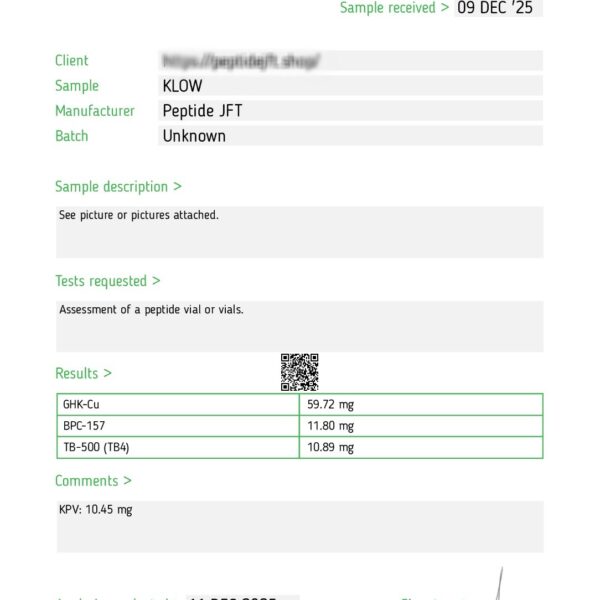
Batch-Specific Certificate of Analysis: Every order is accompanied by a CoA corresponding to the exact production batch your vials are sourced from — not a generic document applied across multiple batches.
Australian Stock & Dispatch: All skin research peptides are held in stock and dispatched from within Australia — ensuring faster delivery, maintained cold-chain integrity, and no customs-related delays.
Technical Research Support: Our team provides direct access to solubility data, reconstitution protocols, and compound-specific technical guidance for all peptides for skin in our catalogue.
Storage & Handling — Peptides for Skin
Long-Term Storage: Store lyophilised skin peptides at -20°C in a sealed, moisture-free environment. Avoid repeated freeze-thaw cycles.
Short-Term Storage: For compounds in active research use within one to three months, refrigeration at 2–8°C is acceptable.
Reconstitution: Reconstitute using bacteriostatic water or the solvent specified in the compound's technical data sheet. Add solvent slowly and rotate gently — do not vortex.
Post-Reconstitution: Store reconstituted peptides at 2–8°C, away from direct light, and use within 14 to 21 days.
Frequently Asked Questions — Peptides for Skin Australia
What do peptides do for skin in a research context? In research models, peptides for skin are studied for their ability to stimulate collagen and glycosaminoglycan synthesis, modulate matrix metalloproteinase activity, promote fibroblast proliferation, regulate growth factor receptor signalling, and influence the gene expression pathways that govern dermal structure, repair, and ageing.
What are the best peptides for skin tightening research? GHK-Cu is the most extensively documented peptide for skin tightening research, with studies examining its role in fibroblast stimulation, collagen synthesis upregulation, and extracellular matrix remodelling. It is the primary compound recommended for researchers investigating the molecular mechanisms behind dermal firmness and structural integrity.
What are the best peptides for skin research overall? The best peptides for skin research depend on your specific experimental focus. GHK-Cu is the most versatile and well-documented compound for broad dermal biology research. Melanotan-2 is most relevant for pigmentation and melanocortin pathway studies. The BPC-157 and GHK-Cu combination is most appropriate for multi-pathway wound healing and dermal repair investigations.
What is peptide skin care research? Peptide skin care research investigates how bioactive peptide compounds interact with the biological systems of the skin — including fibroblasts, keratinocytes, the extracellular matrix, and growth factor signalling networks — to modulate the processes of collagen synthesis, matrix remodelling, inflammation, and tissue repair. All compounds supplied by Peptide Australia for skin care research are provided strictly for laboratory use only.
Do you ship skin peptides across Australia? Yes. We ship all skin research peptides to research facilities, universities, and medical institutions across Australia. All orders are dispatched from within Australia with full tracking provided.
What documentation comes with my order? Every order includes a batch-specific Certificate of Analysis documenting compound name, batch number, HPLC purity result, and Mass Spectrometry identity confirmation — provided as standard with every order.
Shop Peptides for Skin Australia
Peptide Australia is your trusted Australian source for premium, analytically verified skin research peptides. Every compound in this category is synthesised to ≥99% purity, independently tested, and dispatched from within Australia with complete documentation — giving your dermal research the analytical precision it demands.
Peptide Australia — Premium Peptides for Skin. Verified Purity. Australian Supply.